
A South Korean YouTuber has been arrested after allegedly using AI tools to fabricate viral police bodycam footage and post it online as if it were real.
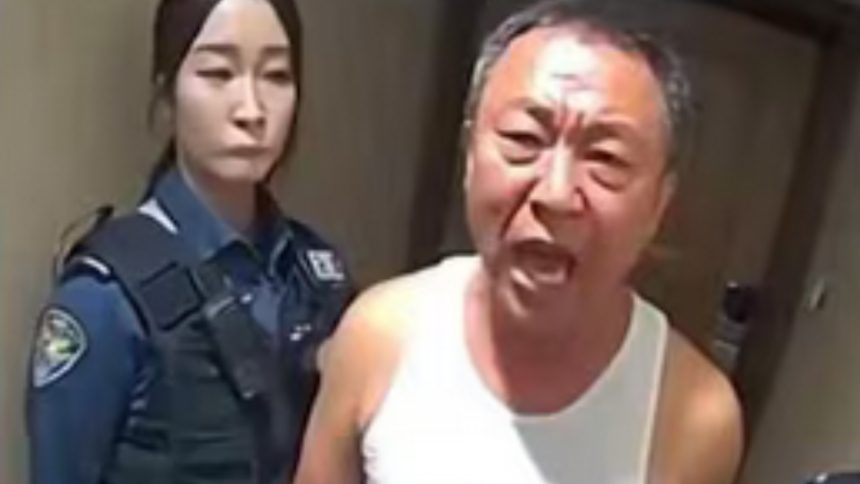
According to Chosun, the creator built an audience by uploading staged “first-person” police encounters to YouTube under the channel Patrol 24 Hours, presenting them as authentic law enforcement responses that led to complaints against the National Police Agency.
Investigators say the videos were generated using ChatGPT and other AI software, then edited to resemble genuine bodycam footage with realistic angles, movements, and situations designed to look like actual police calls.
The suspect, identified only as “A,” reportedly started by adapting controversial news topics into dramatized clips. Over time, the channel leaned fully into fabricated scenarios, selecting the most dramatic camera angles and moments to maximize views.
Two such situations included a “cross-dressing man in a women’s changing room” and a “rampaging Chinese national.”
Korean police arrest YouTuber over wild AI bodycam videos
Police allege the content depicts officers responding to 112 emergency calls and using force during arrests. Some clips showed tasers being used or suspects being aggressively subdued, all framed from a bodycam perspective to sell the illusion that the footage was real.
Several videos reportedly spread widely across social media, including TikTok and Facebook, surpassing 10 million views each.
Authorities say the realism went so far that viewers believed the incidents had actually happened. In some cases, the fake clips reportedly triggered real complaints to the National Police Agency over alleged excessive police suppression.
The investigation was led by the cybercrime unit of the Northern Gyeonggi Provincial Police Agency, which arrested the YouTuber on suspicion of violating multiple laws, including the Telecommunications Basic Act, the Capital Markets Act, and the Information and Communications Network Act.
In total, police say he created 54 fabricated police response videos and distributed them across YouTube, Instagram, and TikTok to grow subscribers and increase ad revenue.
Separately, authorities allege he operated a paid overseas subscription channel that sold AI-generated obscene videos. From September of last year through last month, he is suspected of producing and selling explicit fictional content dozens of times. Investigators are still determining how much money was made.
While the channel description reportedly stated the content was AI-adapted and unrelated to real police, officials say individual videos did not clearly disclose they were synthetic. Police also believe watermarks identifying the footage as AI composites may have been removed.