
A TikTok creator in South Florida has gone viral after documenting how he collected, cooked, and ate iguanas that fell from trees during a rare winter cold snap, turning the moment into an educational breakdown of invasive species management.
The creator, known on TikTok as gray.davis, is an environmentalist whose content focuses on “catch and cook” videos involving invasive species in Florida. His account surged in early February 2026 after a record-breaking cold front caused green iguanas to become cold-stunned and fall from trees across the state.
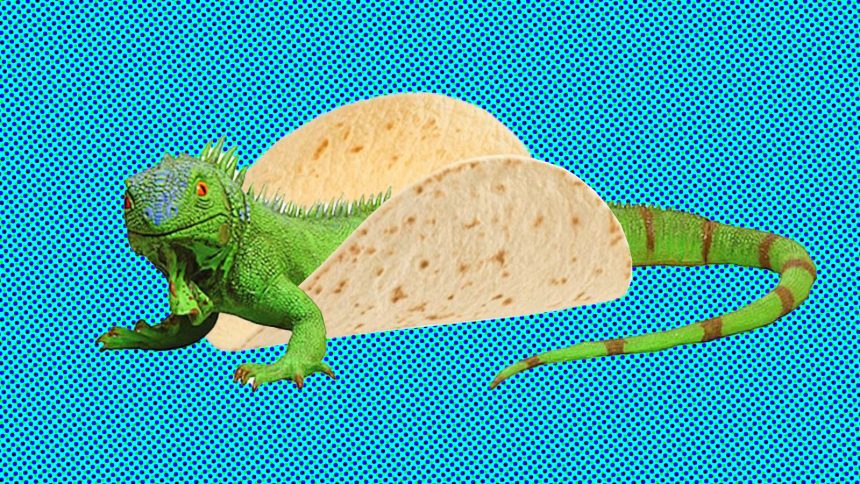
One of Davis’ videos, which has amassed 4.6 million views, explains why the reptiles were dropping from branches during the cold weather. In a follow-up video that has since reached 2.2 million views, Davis shows himself collecting the iguanas and preparing them as tacos.
Cooking and legal considerations
In his viral cooking video, Davis demonstrates how he prepared the iguana meat by boiling it for about an hour to tenderize it, removing the meat from the bone, and sautéing it with lime juice and seasonings before assembling the tacos.
He also stresses food safety throughout the process, noting that while iguanas are often referred to as “chicken of the trees” due to their mild flavor, they must be cleaned and cooked thoroughly to avoid illness.
The Florida Fish and Wildlife Conservation Commission encourages the humane removal of green iguanas from private property, as the invasive reptiles can cause damage to infrastructure, landscaping, and native vegetation.
During recent extreme cold events in 2026, the agency issued executive orders allowing residents to collect cold-stunned iguanas for humane disposal or processing.
Wildlife officials have also cautioned the public not to bring fallen iguanas indoors or into vehicles to warm them up, as the animals can become aggressive once they regain mobility.
Why iguanas fall from trees during Florida cold snaps
Green iguanas are cold-blooded reptiles that rely on external heat to regulate their body temperature. When temperatures drop below 50°F, their bodily functions begin to slow. At around 40°F or lower, they can enter a temporary, coma-like state known as torpor.
During torpor, iguanas lose muscle control and are unable to maintain their grip on tree branches, causing them to fall to the ground. Despite appearances, many of the animals are not dead and can recover once temperatures rise and sunlight warms them.
Because green iguanas are not native to Florida and are poorly adapted to cold weather, these events often occur during extreme winter cold snaps. In past years, the National Weather Service has issued public warnings about falling iguanas during sudden temperature drops.