
The European Parliament is pushing for child influencers, ‘kidfluencers,’ to be prohibited across social media, urging platforms to implement new restrictions.
The prospect of becoming a child influencer is growing ever more tantalizing, according to the EU Parliament. As such, they’re seeking new rules and restrictions in order to protect minors going down the on-camera path.
A new report from November, 2025 detailed the region’s plans to disincentivize minors from becoming content creators, or for their parents to stop pushing them in that direction. This involves a social media-wide ban for minors, akin to what we’re seeing in Australia, along with a range of new rules for platforms to abide by.
“It is important that minors can benefit fully from the digital environment without being manipulated, exploited, or exposed to risks,” the report reads.
EU plans to ban social media for minors to prevent ‘kidfluencer’ behavior
In particular, the report takes issue with an apparent lack of consent from minors involved in ‘kidfluencing.’ By being ‘exposed’ to the general public and oftentimes having their presence ‘commercialized,’ those in Parliament fear for “exploitation without consent.
“[The] use of minors’ images by ‘parent influencers’ or ‘family influencers’ outside of any legal or ethical framework, often in exchange for financial remuneration, [raises] serious questions about consent, privacy and the commercial exploitation of minors.”
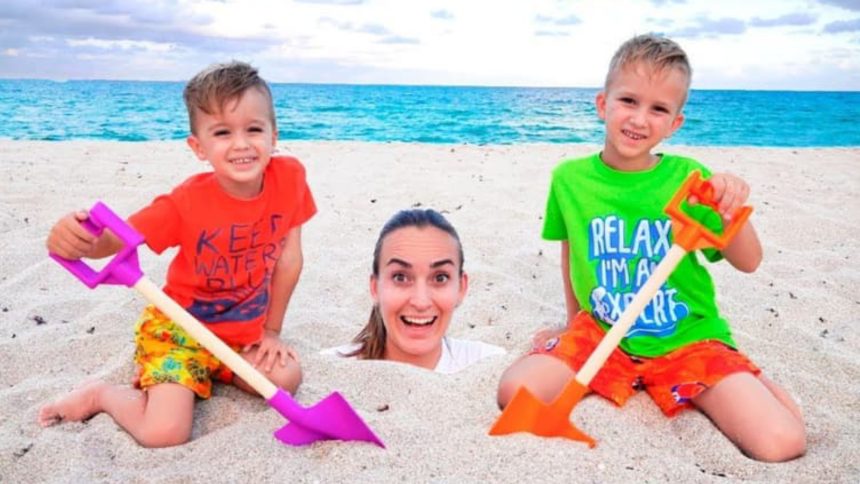
Given some of the biggest influencers in the world happen to be children, those in Parliament contend it’s becoming increasingly common for parents to push minors in front of the camera.
Many of the biggest YouTube accounts in the world are hosted by child influencers.
Drawing a comparison to child actors, the EU Parliament outlined how certain states have extended their existing laws to help protect child influencers. They now want to see similar levels of protection across the board.
To achieve their goal, they’re pushing for social media platforms to stop “monetizing or otherwise providing financial or material incentives for ‘kidfluencing.’”
Furthermore, those under 13 would be restricted from creating accounts on social media, while those under 16 could go ahead only with parental consent.
The November, 2025 report merely raises concerns and voices intentions for the coming months. Those in the EU Parliament must still draft legislation and have it passed in order to implement new protections for – or outright block – child influencers.